



Biohacking For Energy, Focus, and Weight Loss
If you’ve ever wished you had more energy, better focus, and an easier time managing your weight, biohacking might be the edge you’re looking for. Unlike fad diets or quick fixes, biohacking is about making intentional lifestyle tweaks that help your body and mind perform at their best. Whether you’re a student, a busy professional, or someone simply looking to improve overall health, biohacking can be a practical way to level up wellness and productivity.
What Exactly is Biohacking?
At its core, biohacking is about experimenting with your daily habits—nutrition, sleep, fitness, and even technology—to optimize how your body and brain function. Think of it as a “DIY science” approach to health, where you take small, consistent actions that create long-term results.
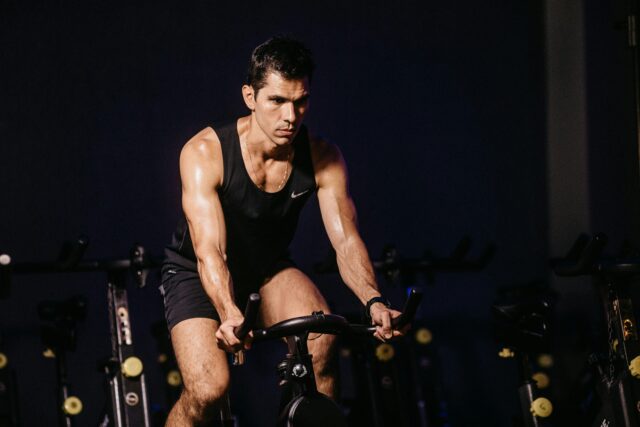
The Biohacking Diet: A Smarter Way to Eat
Food is fuel, and biohacking encourages eating in ways that maximize energy and mental clarity. Instead of focusing only on calories, the biohacking diet is about nutrient quality, timing, and balance. By being intentional with what and when you eat, you’ll not only improve performance at work and in the gym—you’ll also make weight management more sustainable.
Biohacking for Weight Loss & Wellness
Here are some of the most popular and effective biohacking strategies anyone can use to burn fat, improve focus, and feel more energized:
-
Timed Caffeine Use
Skip the morning coffee-first reflex. Instead, try waiting 60–90 minutes after waking before having your first cup. This helps align caffeine intake with your natural energy cycle, keeping you alert without the afternoon crash.
-
Intermittent Fasting
Fasting windows (like 16 hours fasting, 8 hours eating) can help control calories and boost metabolic health. It gives your digestive system a break, helps with fat loss, and sharpens focus.
-
Nutrient-Dense Foods
Choose whole foods over processed snacks. Prioritize foods rich in vitamins and minerals that support energy, recovery, and hormone balance. Examples include:
– Avocados and bananas (potassium)
– Leafy greens (magnesium)
– Salmon and eggs (omega-3s and protein)
– Nuts and seeds (healthy fats and minerals) -
Supplements
While food comes first, supplements can fill in nutritional gaps. Some popular options include:
- Vitamin D (especially if you spend little time outdoors)
- Omega-3s (for brain health)
- Magnesium (for relaxation and muscle function)
- Probiotics (for gut health)
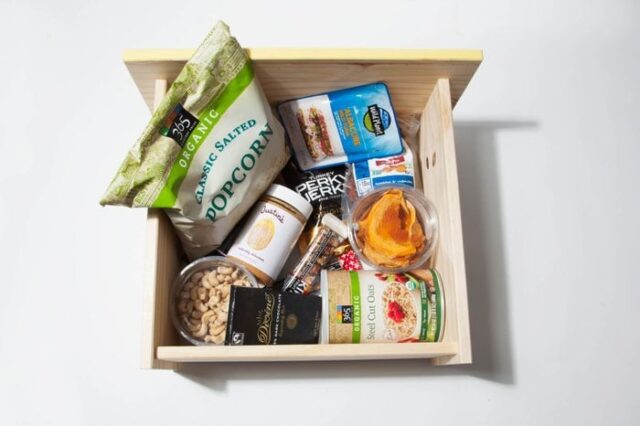
Other Lifestyle Biohacks
- Sleep Optimization – Create a consistent sleep schedule, minimize screen time before bed, and consider blackout curtains or white noise to improve rest. Better sleep = more energy and better workouts.
- Cold Showers/Plunges – Exposing your body to cold water may improve circulation, boost mood, and reduce inflammation. Many people use this as a daily reset to combat stress and improve resilience.
- Mindful Tech Use – Set boundaries with screens and social media. Use blue-light filters at night or schedule “unplugged” hours to improve focus and mental clarity.
Biohacking isn’t about perfection—it’s about experimenting with small, sustainable changes that make you feel and perform better. Whether you want to improve focus at work, enhance workouts, or manage your weight more effectively, these strategies can help. Start with one or two habits, track how you feel, and build from there.